Evaluating the balance of luck and skill in gambling what really matters
The Nature of Gambling: Luck vs. Skill
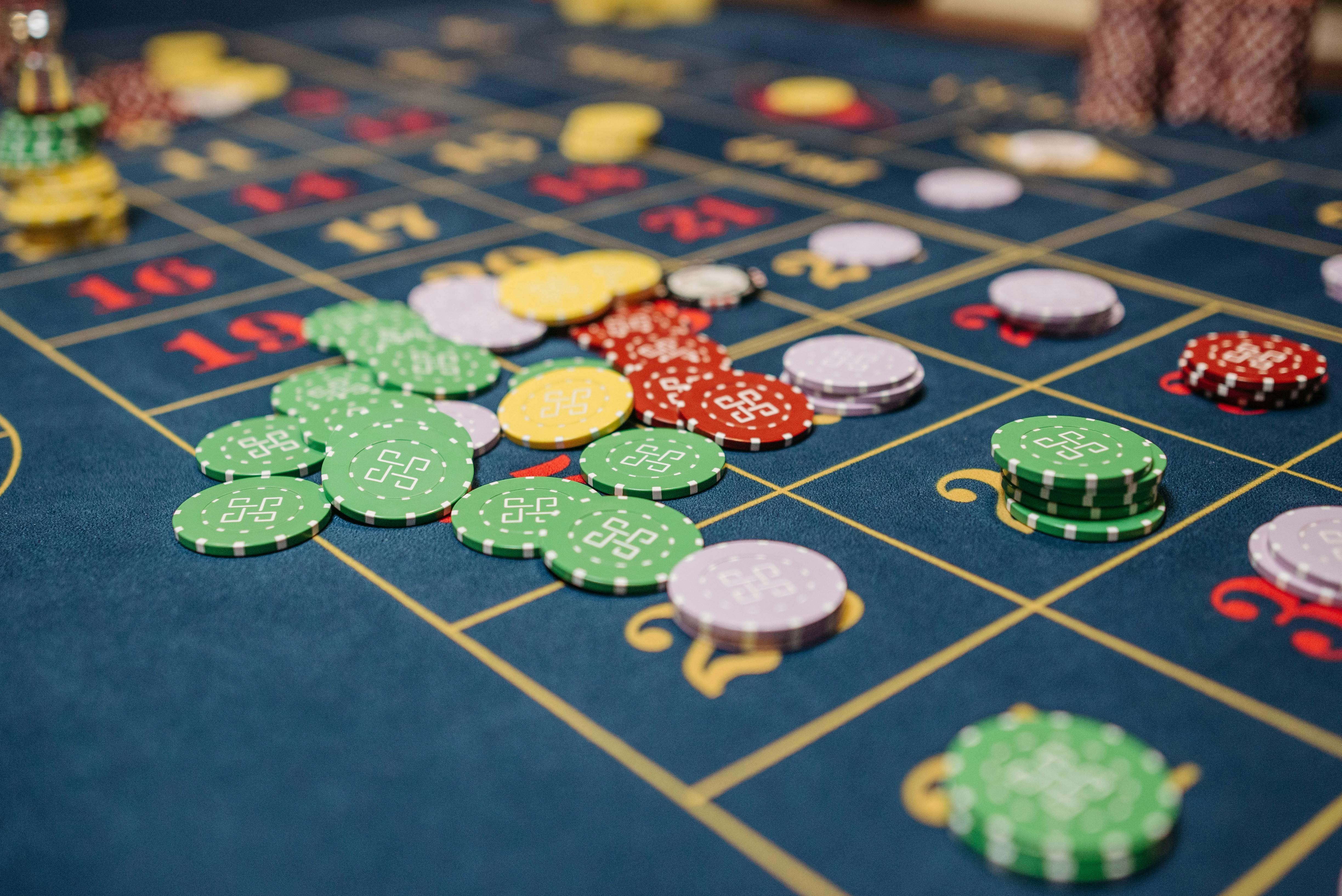
Gambling has long been a topic of fascination and debate, primarily revolving around the interplay of luck and skill. Many believe that luck is the primary driver of success in games of chance, such as slots and roulette, where outcomes are random. However, skill can significantly influence the results in games like poker and blackjack, where players’ decisions and strategies can tip the odds in their favor. Understanding this dichotomy is essential for anyone looking to improve their gambling experience. The captivating Gates of Olympus Roulette game is a perfect example of how these dynamics play out in real-time.
Luck in gambling is often described as the unpredictable element that can lead to both stunning wins and heartbreaking losses. Players can experience incredible streaks of good fortune that propel them to victory, regardless of their knowledge or expertise. Conversely, bad luck can quickly drain a player’s bankroll, making it difficult to recover. This randomness is a defining characteristic of many gambling experiences and can make the activity exhilarating yet treacherous.
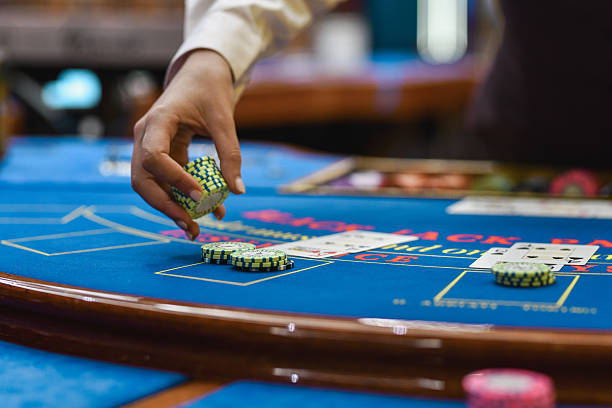
On the other hand, skill plays a crucial role in various gambling games, particularly those involving strategy. In poker, for example, a skilled player can consistently outperform less experienced opponents by employing tactics like bluffing and understanding odds. Similarly, in blackjack, players who are well-versed in card counting and basic strategy can gain a statistical edge over the house. This balance between luck and skill showcases why some players thrive in gambling while others struggle.
The Psychological Aspects of Gambling
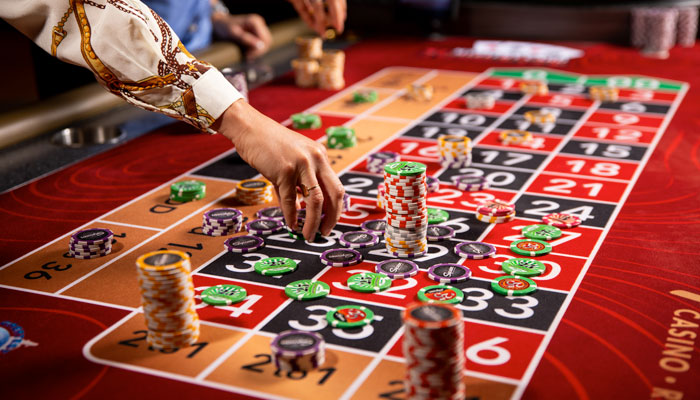
The psychology of gambling is an intricate web of emotions and cognitive biases that can affect how players perceive luck and skill. Many gamblers fall victim to the “gambler’s fallacy,” believing that past outcomes influence future results. For example, if a roulette wheel lands on red several times in a row, players might assume that black is due to come up next, leading them to make poor betting decisions. Recognizing these biases is vital for responsible gambling.
Another psychological aspect is the thrill that comes from high-stakes gambling. The adrenaline rush can often cloud judgment, leading players to overlook the importance of skill in favor of hoping for a lucky break. This excitement can drive individuals to chase losses, engaging in increasingly reckless behavior as they seek to recoup their funds. Understanding these psychological triggers can help players manage their emotions and make more informed decisions.
In contrast, players who approach gambling with a clear understanding of their skills and limitations are more likely to enjoy sustainable success. They can set realistic expectations and adapt their strategies based on the game’s dynamics. Such players are often more disciplined, recognizing when to walk away and when to press their advantage. This mindset highlights the importance of balancing luck and skill in gambling, where knowledge can mitigate the risks associated with chance.
Strategies for Balancing Luck and Skill
To navigate the often-turbulent waters of gambling, players can adopt various strategies to balance luck and skill effectively. One essential strategy is bankroll management, which allows players to determine how much they can afford to wager without risking financial distress. By setting limits and sticking to them, players can maintain a level of control over their gambling habits, regardless of the game’s inherent luck factor.
Another strategy involves continuous learning and skill development. Whether it’s studying poker strategies, analyzing past games, or participating in training sessions, players can enhance their skills to improve their odds of success. By investing time in learning, players not only become more competent but also increase their confidence when faced with luck-driven challenges. This dedication can ultimately lead to a more enjoyable and potentially profitable gambling experience.
Additionally, it is crucial to diversify gambling activities. Engaging in various games can help players understand the different balances of luck and skill involved. For example, while enjoying a game of chance like slots, players can also hone their skills in more strategic games like poker. This diversification not only enhances the overall gambling experience but also allows players to apply their skills in contexts where they can make a difference.
The Impact of Games on Luck and Skill Dynamics
The type of game chosen significantly impacts the balance between luck and skill. Games of chance, such as slot machines and roulette, rely heavily on luck, providing players with a thrilling yet unpredictable experience. In these games, no amount of skill can alter the outcome, emphasizing the importance of managing expectations and embracing the randomness that defines these experiences.
In contrast, skill-based games, such as poker and blackjack, allow players to influence the outcome through strategic thinking and decision-making. In these instances, the best players often emerge victorious, showcasing how skill can tip the scales. Understanding the dynamics of these games enables players to choose wisely based on their preferences for luck or skill, leading to a more fulfilling gambling experience.
Ultimately, the convergence of luck and skill varies across different gaming formats. By recognizing the distinct elements at play, players can make informed decisions and tailor their strategies accordingly. This understanding not only enhances their gaming experience but also contributes to responsible gambling practices, ensuring that both enjoyment and financial considerations are balanced.

The Role of Community in Gambling Experiences
Community plays a vital role in shaping gambling experiences, particularly when evaluating the balance of luck and skill. Engaging with fellow players can provide insights and strategies that enhance individual skills, fostering an environment of learning and improvement. Whether through forums, social media, or local gambling clubs, sharing experiences can lead to greater understanding and mastery of various games.
Furthermore, community support can be crucial for managing the psychological aspects of gambling. Players often face challenges such as peer pressure, addiction, or emotional highs and lows. A strong community can help individuals navigate these issues, offering encouragement and accountability. This network can make it easier to recognize when luck is not favoring them and help them make better decisions about when to step back.
Ultimately, the combination of skill development and community engagement can amplify the enjoyment of gambling while minimizing its risks. By fostering connections with others, players can learn from each other and build a supportive environment that emphasizes responsible gambling practices. This collective effort to balance luck and skill can lead to more rewarding experiences for everyone involved.